

Our newest scenario, Experimental Automata
A global investigation of the future of digital health and biotechnology

Thanks to its high barriers to entry, biotech gets short shrift from many technology VCs. The field is obviously intimidating for investors who lack a bio PhD. Plus, the venture models that create value in software and hardware have no direct translations in bio thanks to tech risk, FDA regulatory steps and exit markets. As a result, far too many people ignore the category, even as the crossovers between bio and software have multiplied over the past decade under the banner of “techbio.”
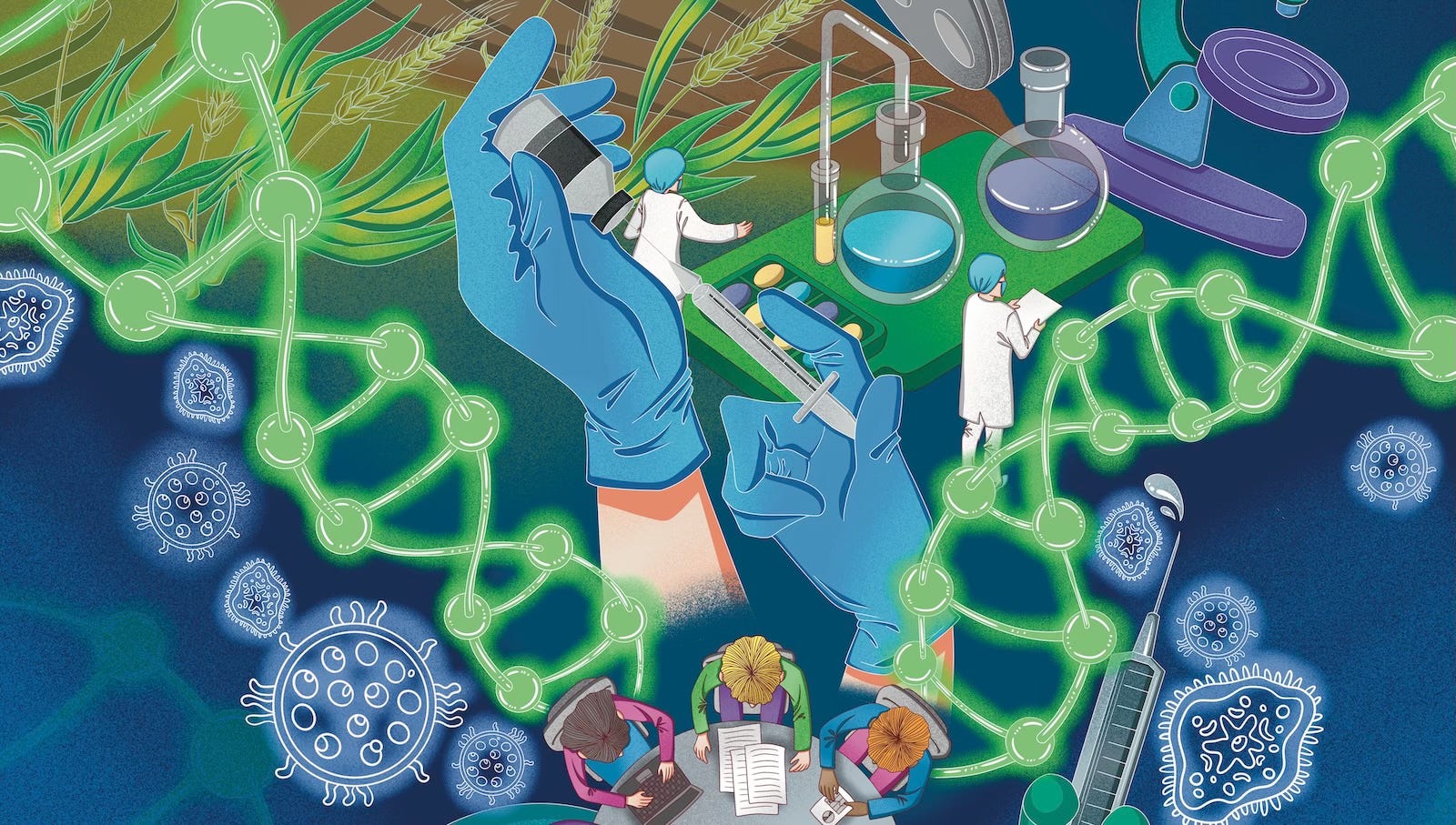
In fact, this might be one of the most exciting eras in biotech and healthcare history. Ambitious inventors are coupling past technological breakthroughs, like CRISPR-Cas9 and single-cell imaging, with today’s advanced artificial intelligence models to open up whole new areas of exploration. That means faster breakthroughs in the lab, and hopefully a rapid speedup in translating discoveries into therapeutics that benefit us all.
With so many changes happening at once, it can be hard to keep up, even for specialists. The challenge is multiplied by the global scale of this industry, where China and India are now key players alongside traditional incumbents in the United States, United Kingdom and Europe.
That’s why a year ago, the UK Embassy in Washington DC reached out to us for a special summit it was hosting on the future of biotech and health as part of Prime Minister Keir Starmer’s trade mission to America in early 2025. The embassy wanted a special educational experience that would help a diverse group of domain experts come to terms with the rapid technological changes underway and explore how those changes would affect the field as well as global economics and politics in the years ahead.
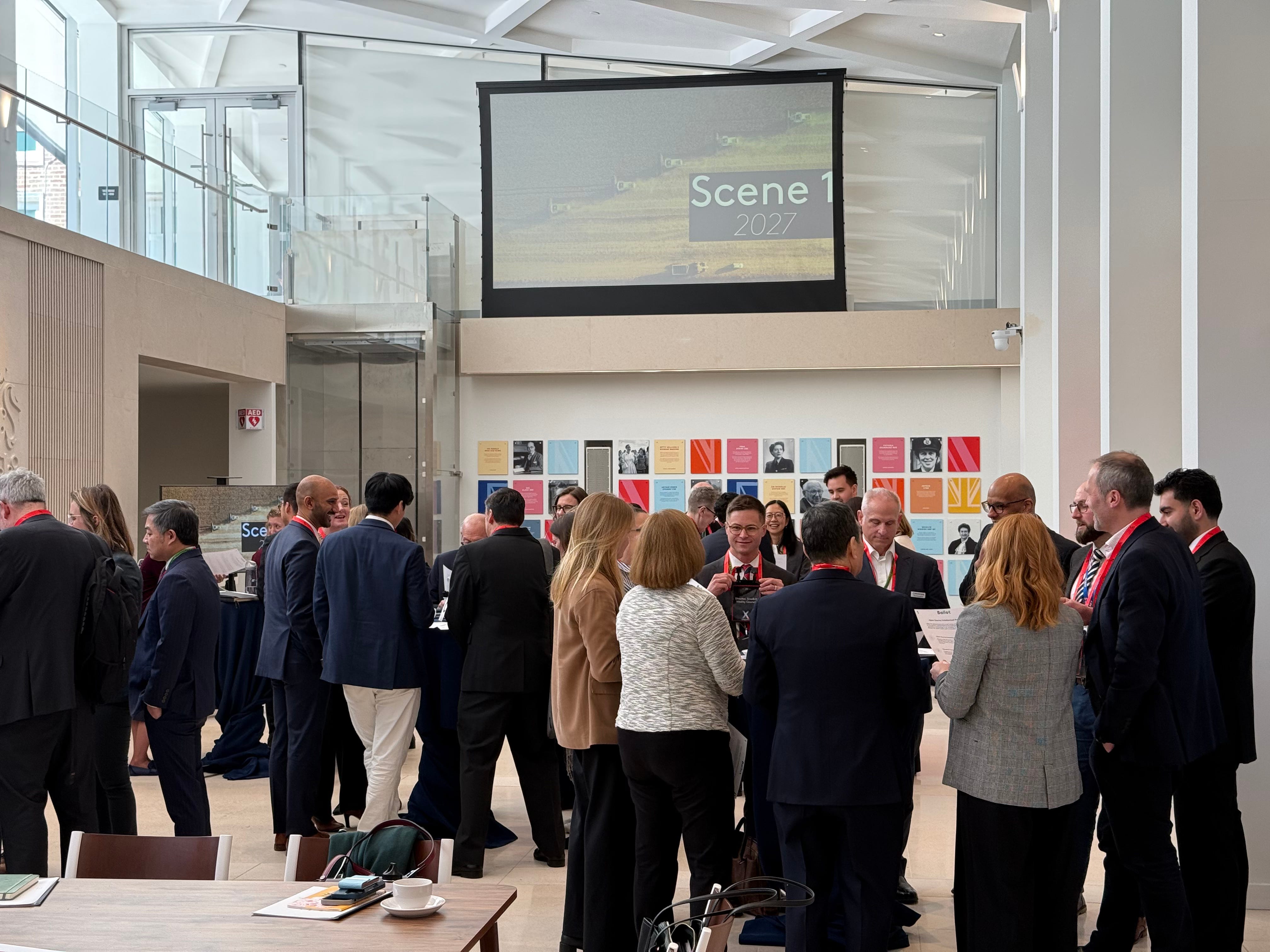
From this charge, our latest Riskgaming scenario, Experimental Automata, was born. It’s a salon experience for 30–60 players, playable in about 90 minutes, that facilitates a set of wide-ranging debates about the future of biotech and health. For instance, what’s the right balance between the privacy of patient health records and the voracious need for detailed and realistic data to train the next-generation of AI models? How do we figure in the yawning health inequality between the most developed nations and the emerging markets, where next-generation biotechnologies rarely trickle down?
What makes the game unique is that players take on a variety of roles from countries around the world, all with divergent objectives designed to spur unique conversations. Some players want to increase global supply chain integration to maximize economic efficiency, while others want to nationalize their health supply chains and advanced manufacturing. As players make policy decisions across five international summits during each scene, 30 indicators update to show the effects of those policies.
It’s a fairly simple game designed to make onboarding as fast as possible, but what was powerful in our runthrough at the UK Embassy was that instead of an awkward breakfast speech hoping to breathe early life into an all-day conference, we were able to get 60 experts moving, debating, cajoling and even laughing about the extraordinary changes underway in bio and health in the years ahead.

We learned a couple of lessons. First, it’s really hard for people to avoid status quo bias, particularly when they are debating challenging new issues with people they haven’t met before. The most extreme options were generally ignored in our runthroughs, as almost everyone tends to be pragmatic rather than ambitious with their arguments. The exceptions were more outlandish technology policies like geoengineering Earth, which were popular among Silicon Valley types (and received scant attention in DC).
Emerging market economies are really going to struggle in the decade ahead with advanced healthcare delivery.
Second, many people struggled with how policies would change multiple indicators at the same time. Improving America’s research capacity is great for the United States, but can harm Europe and China as they struggle to compete. The game is decidedly not cynical (I work at a venture capital firm after all), but relative factors make it hard to secure true win-win outcomes.
Third, the game isn’t as open-ended or dynamic as I generally want my designs to be. As I did research, it became clear that emerging market economies are really going to struggle in the decade ahead with advanced healthcare delivery. Given their cost and sophistication, taking advantage of the most cutting-edge treatments requires epic levels of institutional capacity, talent and funding, resources that are missing from most of the planet. Even the most bullish development economists struggle to describe how we could avoid widening this gap, and the game reflects that in its design.
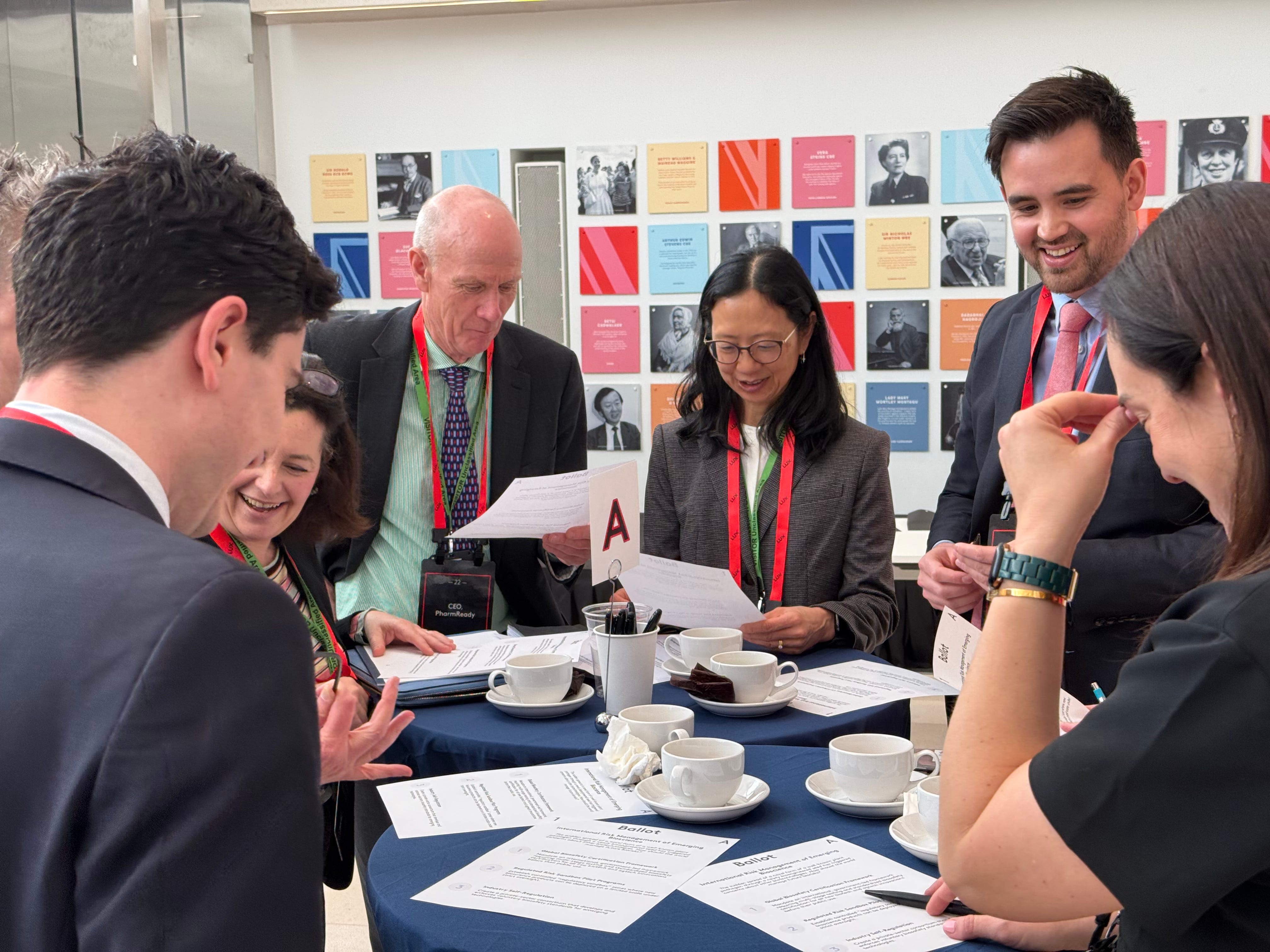
What’s important in Experimental Automata isn’t who wins or loses, which is partially preordained by existing trajectories of countries like the United States and China (it isn’t possible to balance the game against reality). Far more useful are the open-ended educational debates the game forces players to confront from different perspectives. Even as entrepreneurs push technology inexorably forward, there’s still plenty of time to understand its implications and even shift its trajectory, if only we knew what to do.


